
Gloire de la Perse
18 jours à travers l'Iran, des ruines de Persépolis aux tours du silence de Yazd, sur les traces de l'antique Perse.
Durée
18 jours
À partir de
1 470 €/pers.
Saisons idéales
Mar, Avr, Oct, Nov
Style
Circuit accompagné
Confort
Charme & Caractère
Voyageurs
Couple, Solo, Entre amis, senior
L’esprit du voyage
Ce circuit en Iran vous permettra de découvrir des paysages naturels époustouflants et les principaux sites touristiques du pays, dont beaucoup sont inscrits au patrimoine mondial de l'UNESCO. Vous serez étonnés par la diversité climatique, où des dunes désertiques côtoient des montagnes boisées.
Vous rencontrerez diverses ethnies et apprécierez leur richesse culturelle, leurs langues, costumes, et influences musicales et culinaires.
Le voyage inclut également la découverte de mosquées anciennes, d'églises arméniennes somptueuses et de sites zoroastriens fascinants.
Les étapes de votre voyage
Points forts
Itinéraire jour par jour

Bienvenue en Iran !
À votre arrivée à l'aéroport de Téhéran, notre représentant avec une pancarte PTA vous accueille et vous conduit à votre hôtel. Après un moment de repos, nous commençons notre visite de Téhéran à 9h30.
Nous nous déplaçons principalement en métro pour nous immerger dans la vie locale, réservant les taxis pour les trajets plus longs.
Notre première visite est le Musée des tapis , où nous découvrons plus de 100 tapis persans tissés à la main et apprenons leur histoire. Ensuite, nous explorons le complexe Sa'ad Abad, visitant deux de ses palais emblématiques, construits à l'origine par les monarques Qajar et habités plus tard par la dynastie des Pahlavi. Un déjeuner traditionnel iranien nous est servi dans un restaurant.
L'après-midi, nous visitons le musée Reza Abbasi, qui présente une collection d'art persan du deuxième millénaire av. J.-C. à l'époque islamique. Ensuite, nous allons à la tour Milad, la sixième plus haute tour du monde, culminant à 435 mètres.
En soirée, nous avons la possibilité de visiter le Pol-e Tabi-at (Pont Nature), le plus long pont piéton d'Iran, reliant deux parcs publics.
Attention: l’ordre des visites peut être modifié en raison de votre arrivée, de votre guide et des vacances officielles et non officielles de certains musées.

Visite de Téhéran et train vers Chiraz
Nous commençons la journée par une visite du Musée National, composé du Musée de l'Iran antique (ouvert en 1937) et du Musée de l'ère islamique (ouvert en 1972). Ce musée abrite des chefs-d'œuvre de l’art iranien, de la préhistoire à l'époque islamique : poteries, figurines, bronzes, textiles, livres et pièces de monnaie rares. Nous découvrons l'évolution de l'humanité à travers ces reliques et les objets de l’époque islamique
Ensuite, nous visitons le palais du Golestan, ancien complexe royal Qadjar et l'un des plus anciens monuments historiques du patrimoine mondial. Il comprend des jardins, des bâtiments royaux, des collections d'artisanat iranien et des cadeaux européens des XVIIIe et XIXe siècles.
Nous terminons la journée par une promenade dans le bazar, poumon économique de l'Iran, lieu de socialisation et centre de pouvoirs corporatistes et politiques.
NB. Si possible, nous visiterons le Musée national des joyaux de la Couronne en fonction des horaires du départ du train. Notre excursion à Téhéran se termine par la visite. Notre visite de Téhéran se terminera au musée national des bijoux, renfermant d’inestimables joyaux dont l'un des deux plus grands diamants, le Darya-e-Noor (mer de lumière).
A l'issue de nos visites nous nous rendons à la gare pour notre train de nuit à destination de Chiraz.

Visite de Chiraz
Nous débutons la matinée en plongeant dans l’atmosphère de la dynastie des Zand à Chiraz. Chiraz est connue comme une ville éclairée, cœur culturel de l'Iran depuis plus de 2 000 ans et ancienne capitale du pays, célèbre pour sa poésie, ses jardins, ses roses et ses rossignols.
Nous découvrons le somptueux Palais Karim Khan, la magnifique mosquée du bazar Vakil, Saraye Moshir avec son architecture splendide et ses échoppes d’artisanat, ainsi que la célèbre mosquée Nasir Almolk. Ensuite, nous savourons un déjeuner iranien dans un restaurant traditionnel de Shiraz.
L'après-midi est consacré à la découverte des poètes célèbres de la ville, Hafez et Saadi, et de sites historiques remontant parfois à 6000 ans. Hafez, grand poète dont les œuvres enchantent encore aujourd’hui, repose dans un tombeau devenu lieu de recueillement. Saadi, poète et philosophe, était également un grand voyageur. Ses expériences, consignées dans les livres Boustan et Golestan, continuent d'inspirer de nombreux Iraniens.
En soirée, nous visitons le mausolée de Ali-Ebn-e-Hamzeh, puis nous nous promenons dans le jardin de Jahan Nama avec ses majestueux cèdres. Enfin, nous explorons le jardin d'Eram et le tombeau de Khajoy-e-Kermani, offrant une vue imprenable sur la mystérieuse ville de Chiraz.
Nuit à Chiraz.

Histoire et patrimoine
Notre excursion d'aujourd'hui nous mène à Persépolis. Fondée par Darius I en 518 avant J.-C., cette ville était la capitale de l'Empire achéménide. Construite sur une immense terrasse semi-artificielle taillée dans la roche, le « roi des rois » y a édifié un impressionnant complexe de palais s'inspirant des modèles mésopotamiens. La grandeur et la préservation des ruines font de Persépolis un site archéologique exceptionnel.
Nous continuons ensuite vers Nécropolis. Située face au mont Rahmat, à dix minutes au nord, cette nécropole est le lieu de sépulture majestueux des rois achéménides. Le site comprend également sept bas-reliefs datant des périodes élamite et sassanide.
Nuit au chalet d'Aghamir ou à Ojagh-e Seyyed Karim.

Vers le désert
Aujourd'hui nous mettons le cap plein est vers le désert de Dasht-e Lut, l'un des plus secs et des plus chauds de la planète, dans la province de Kerman.
Aujourd'hui, nous nous dirigeons vers le désert de Lut, aussi appelé désert de Dasht-e Lut, signifiant "la plaine du vide". Ce vaste désert s'étend sur les provinces de Kerman et de Sistan-et-Baloutchistan. Classé au patrimoine mondial de l'UNESCO depuis le 17 juillet 2016, il est le 27ème plus grand désert du monde. Des températures allant jusqu'à 70 °C y ont été enregistrées, faisant de cet endroit l'un des plus chauds et secs de la planète.
Nous traverserons le désert pour admirer ses merveilles naturelles jusqu'à Shahdad. En route, nous visiterons le lac Bakhtegan, le village de Dehmurd, et les villes d'Herat et de Rafsanjan, célèbre pour ses pistaches.
La nuit se passera dans une maison traditionnelle du village de Dolat Abad.

Jardin et citadelle
Aujourd'hui, après une nuit à observer les étoiles, nous partons dès le lever du soleil pour un safari à Kaluts, connues pour ses formations géologiques érodées par le vent et l'eau offrant un paysage spectaculaire de crêtes et de vallées sculptées.
Nous nous rendons ensuite à Mahan pour visiter le tombeau de Shah Ne'mat Ollah-e-Vali et le jardin de Shahzadeh, un magnifique jardin persan classique situé à 6 km de Mahan, au pied des montagnes. Ce jardin, avec ses fontaines utilisant la pente naturelle, est un bel exemple de l'ingéniosité des jardins persans face au climat et aux contraintes géologiques.
Nous faisons ensuite une halte à Rayen pour voir sa citadelle, une réplique de la Citadelle de Bam.
Puis, nous explorons les kaluts du désert Dasht-e Lut.

Sur la route des caravanes
Aujourd'hui, nous continuons notre voyage vers Zeinoddin ou Fahraj. Saryazd, Fahraj et Zeinoddin étaient parmi les premiers caravansérails sur les routes reliant Yazd, Shiraz, Kerman et Sirjan. Passer une nuit dans l'un de ces caravansérails est une expérience inoubliable. Le caravansérail de Zeinoddin, datant de l'époque safavide, est situé en plein désert et a été restauré avec soin, tout en conservant son caractère d'origine. Il a reçu deux prix de l'UNESCO en 2005 et 2006.
En route vers Zeinoddin ou Fahraj, nous visitons le village rocheux de Meymand, près de Shahr-e Babak dans la province de Kerman. Ce village ancien, habité depuis 12 000 ans, est l'une des premières résidences humaines sur le plateau iranien. Le village abrite des gravures en pierre vieilles de près de 10 000 ans et des dépôts de poterie de près de 6 000 ans, témoignant de son riche passé.
Nuit au caravansérail de Zeinoddin.

Arrivée à Yazd
Aujourd’hui nous rejoignons Yazd. Yazd est une ville partiellement construite en argile, considérée comme l'une des plus anciennes du monde. Elle est entourée par le sommet de Shirkouh, qui culmine à 4000 mètres d'altitude, et par deux des plus majestueux déserts d'Iran, le Dasht-e Kavir et le Kavir-e Lut. Cette ancienne cité abrite des mosquées d'une beauté exceptionnelle.
Sur la route, nous nous arrêtons d'abord à Mehriz. Cette ville est reconnue pour son doux climat.
Ensuite, nous visitons château de Saryazd, construit au IIIe siècle pendant la dynastie sassanide. Ce château, doté de tours imposantes et d'un fossé de 6 mètres de large et de 3 à 4 mètres de profondeur, servait de coffre-fort pour les céréales, l'argent, l'or et les bijoux durant les invasions. Il est réputé pour être imprenable.
Nous poursuivons notre route jusqu'à Yazd. Avant de rejoindre notre hôtel, nous visitons les tours du Silence, utilisées par les Zoroastriens pour les rites funéraires, et le Temple du Feu, un lieu de culte important pour les Zoroastriens.
Le soir, nous explorons le complexe Amir Chakhmaq, connu pour son architecture symétrique. Ce site comprend une mosquée, un caravansérail, un tekyeh (lieu de deuil chiite), un hammam, un puits d'eau froide et une confiserie.
Nuit à Yazd.

Yazd, l'une des plus vieilles villes du monde
Nous passons la journée à Yazd.
La visite d'aujourd'hui nous emmène à la découverte de la mosquée Jame, de la vieille ville de Yazd, et de l'école domotique du XVe siècle. L'édifice abrite de nombreux ateliers artisanaux.
Nous continuerons notre balade dans les vielles ruelles en passant par le jardin Dowlatabad, un authentique jardin iranien. Il s'agit d'un complexe construit selon le style architectural iranien d'origine et se compose d'un grand jardin et de plusieurs bâtiments.
Ensuite, nous nous visitons le Musée de l'eau de Yazd. Ce musée de 124 ans présente les techniques et les outils utilisés au cours des 4 derniers millénaires en Iran pour la création des conduits d’irrigation souterrains (appelés qanats). Le musée est l'une des visites incontournables de Yazd. Enfin, nous rendons visite aux ateliers de confection et d'artisanat.
Nuit à Yazd.

Citadelles et désert
Aujourd'hui, nous partons de Yazd pour Ispahan à 8 heures du matin. En route, nous visitons Meybod, une ville antique avec de nombreux sites historiques, autrefois capitale de l'Iran sous les Mozaffarides.
Nous explorons la citadelle de Narin, datant de l’époque sassanide, offrant une vue imprenable sur la ville.
Ensuite, nous nous rendons à Nain, célèbre pour ses anciens qanats, des aqueducs souterrains encore en usage dans les années 1960. Nous visitons un atelier de tissage d'abayas et la mosquée Jameh de Nain, une des plus anciennes d'Iran, datant du 9ème siècle et classée au patrimoine.
Enfin, nous partons pour Varzaneh, connue pour ses dunes de sable spectaculaires.
Enfin, nous partons pour Varzaneh, connue pour ses dunes de sable spectaculaires. Nous visitons la citadelle millénaire de Ghoortan, puis déjeunons chez l'habitant avant de reprendre la route vers Ispahan.
Nuit à Ispahan.

Visite d'Ispahan
Tahmouras ou Keykavous. Au XVIIe siècle, pendant l'ère Safavide, Ispahan était célèbre pour ses jardins, ses palais et son activité commerciale, surnommée "la moitié du monde".
Aujourd'hui, nous visitons la monumentale Place de l'Imam (Place Naghsh-e Jahan), entourée d'édifices majestueux classés au patrimoine mondial de l'UNESCO : le palais Cheikh Lotfollah, la mosquée du Chah et le palais Ali Qapou. C'est la deuxième plus grande place au monde après Tienanmen en Chine. Autour de cette place, nous explorons les ruelles d'un des bazars les plus célèbres d'Iran, réputé pour ses productions artisanales et artistiques.
Nous poursuivons avec la visite de Chehel Sotoun (le Palais aux quarante colonnes) et du Palais Hasht Behesht. Nuit à Ispahan.

Visite d'Ispahan (suite) & vol pour Mashhad
Aujourd'hui, nous poursuivons notre exploration d'Ispahan en visitant la mosquée Jameh, véritable galerie d'architecture islamique qui illustre des siècles d'évolution historique. Ensuite, nous découvrons la cathédrale de Vank, l'une des plus belles églises arméniennes du monde, captivant l'attention des visiteurs chrétiens.
Nous faisons une halte à Menar Jonban, le tombeau d'un soufi célèbre pour ses minarets tremblants, et visitons quelques ponts historiques. La journée se termine par une visite au pont Allahverdi Khan, connu sous le nom de Si-o-se-pol, avec ses trente-trois arches. C'est un exemple emblématique de l'architecture des ponts safavides et le plus long pont sur le Zayanderud, mesurant 297,76 mètres.
Nous prenons ensuite un vol de nuit pour Mashhad, où nous passerons la nuit.

Visite de Mashhad
Mashhad, la deuxième ville la plus peuplée d'Iran, est située dans le nord-est du pays, près des frontières du Turkménistan et de l'Afghanistan. La ville est renommée pour abriter le tombeau de l'Imam Reza, le huitième Imam chiite, attirant des millions de pèlerins chaque année.
Dans l'après-midi, nous visitons le sanctuaire de l'Imam Reza, un complexe contenant son mausolée. Ce sanctuaire est un musée vivant, où vous pourrez admirer des chefs-d'œuvre de miroiterie, stuc, moqarnas, marqueterie, sculpture sur bois et pierre, et tissage de tapis. La visite offre un aperçu authentique de l'art et de la sociologie iranienne.
Ensuite, nous visitons le musée central d'Astan Quds Razavi, inauguré en 1964. Ses collections comprennent des œuvres d'art islamique et des objets historiques, ainsi que le musée du Coran et des objets précieux, le musée des tapis, le musée des armements, le musée des pièces et médailles, et le musée des Beaux-Arts.
Nuit à Mashhad.

Route pour Nishabur, visite de Nishabur et Shadyakh
Nous partons pour Nishapur, située dans la province du Khorasan au nord-est de l'Iran. Ancienne capitale de la dynastie Tahiride et plus tard de la dynastie seljoukide Nishapur s'est transformée en un centre culturel, commercial et intellectuel majeur du monde islamique.
Nous visitons le tombeau d'Omar Khayyam, célèbre savant, mathématicien, astronome, philosophe et poète né à Nishapur. Khayyam est l'un des principaux mathématiciens et astronomes de l'âge d'or islamique et a écrit de nombreux traités sur divers sujets scientifiques.
Nous visitons également le tombeau d'Attar, poète mystique perse et théoricien du soufisme, originaire de Nishapur. Attar a eu une influence immense sur la poésie et le soufisme persans. Ensuite, nous explorerons Shadyakh, un grand quartier de l'ancien Nishapur créé au IXe siècle. Des fouilles archéologiques ont révélé des bâtiments, un squelette et d'autres objets, et Shadyakh est désormais un monument national iranien.
Notre journée se termine par une visite au Musée de Nishapur.
Nous passons la nuit à Mashhad.

Voyage en train pour Shahroud, visite de Bastam et Kharaghan, transfert vers le désert de Chahjam
Aujourd'hui, nous prenons le train à 6h pour Shahroud.
En cas d'indisponibilité des billets de train, nous seront transféré à Shahroud en voitures privées moyennant un supplément. À notre arrivée à Shahroud, nous nous installons à l'hôtel et déjeunons. Il est fortement recommandé de passer la nuit dans le désert de Chahjam.
En cas d'indisponibilité des billets de train, nous seront transféré à Shahroud en voitures privées moyennant un supplément. À notre arrivée à Shahroud, nous nous installons à l'hôtel et déjeunons. Il est fortement recommandé de passer la nuit dans le désert de Chahjam.
En soirée, nous explorons les tombeaux des éminents théosophes Abolhasan Kharghani et Bayazid Bastami dans les charmants villages de Kharaghan et Bastam, afin de plonger dans la littérature, la culture et le soufisme iraniens.
Puis, nous nous dirigeons vers le désert de Chahjam, à environ 80 km de là, pour une traversée nocturne du désert. Nous savourons un dîner dans une magnifique oasis et buvons du thé sous le ciel étoilé. Nous découvrons également les qanats, dont nous avons appris l’importance au musée de l'eau de Yazd.
La nuit se passera dans le désert de Chahjam ou dans un hôtel à Shahroud.

Route vers Gorgan, visite de la forêt d'Abr, Gonbad-e Kavus
Aujourd'hui, nous commençons par visiter le village d'Abr avant de poursuivre jusqu'à la forêt d'Abr. La forêt d'Abr, également connue sous le nom de "Forêt des Nuages", est l'une des merveilles naturelles de l'Iran. Située au pied de la chaîne de montagnes de Chogholgir, dans la province du Semnan, elle est célèbre pour ses paysages pittoresques où les forêts rencontrent les nuages.
Nous descendons jusqu’au village de Shirinabad en empruntant la route Shirinabad Abr, à pied ou à vélo. La route peut parfois être impraticable, dans ce cas, nous empruntons la route d’Alang.
Nous poursuivons notre journée à Gonbad-e Kavus pour voir la plus haute tour de briques du monde, la tour de Kavus.
Nous visitons également une communauté turkmène en habits traditionnels locaux, où nous pouvons prendre des photos en portant les vêtements traditionnels des Turkmènes iraniens.
Nous dînons à Naharkhoran et passons la nuit à Gorgan.

Route pour Bandar-e Torkaman, puis Ashooradeh et Miankaleh en bateau
Aujourd'hui, nous visitons Bandar-e Torkaman, un port sur la mer Caspienne. Nous découvrons les centres d'élevage de chevaux et les pistes d'équitation, ainsi que la culture et les traditions turkmènes.
Ensuite, nous nous rendons sur l'île d'Ashooradeh en bateau, où nous visitons des ateliers produisant du caviar.
Nous poursuivons notre voyage en bateau jusqu'à Miankaleh, pour observer les oiseaux et profiter des beautés naturelles de la région.
Enfin, nous sommes transférés à Gorgan où nous passons la nuit.

Vol pour Téhéran, visite de Téhéran et départ d'Iran
Ce matin, nous prenons un vol pour Téhéran.
À notre arrivée, nous commençons par visiter la tour Azadi.
Les visites prévues pourront être effectuées ou remplacées en fonction du temps disponible. (Dans le cadre de "Glories of Persia", nous n'avons pas jugé nécessaire de réserver un hôtel pour cette nuit. Cependant, sur demande, nous pouvons réserver un hôtel à l'aéroport IKA pour quelques heures ou pour toute la nuit, en fonction de votre heure de départ).
Tarif par personne
Tarif indicatif par personne, base chambre double. Chaque voyage est personnalisé selon vos envies.
Ce voyage peut être adapté selon vos envies
Cet itinéraire constitue une excellente base de découverte, mais il peut être entièrement personnalisé. Nos conseillers locaux construisent chaque voyage sur mesure selon votre budget, vos dates et vos envies.
Non inclus
- Les vols internationaux
- Les frais du visa
- Repas du midi
- Assurance
- Pourboires pour les chauffeurs et le guide
Inclus
- Frais de lettre d'invitation pour votre visa (ou numéro d'autorisation)
- Séjour de 18 nuits à l'hôtel hôtels mentionnés dans votre message ou SIMILAIRES
- Transport en véhicule pendant tout le voyage
- Petit déjeuner et Diner
- Guide parlant français
- Entrées aux sites
- Vol Intérieur / train/ bus
Informations pratiques
L'inscription est considérée comme ferme et définitive après le versement d'un acompte de 30 % du prix total et l'acceptation des conditions particulières de vente.
Le solde doit être réglé au plus tard 45 jours avant la date de départ.
Consultez nos conditions particulières de vente pour le détail complet.
En cas d'annulation par le voyageur, les frais suivants sont retenus :
- Plus de 60 jours avant le départ : 40 % du prix total (acompte retenu)
- Entre 60 et 30 jours avant le départ : 50 % du prix total
- Moins de 30 jours avant le départ : 100 % du prix total
Nous recommandons vivement la souscription d'une assurance annulation. Consultez nos conditions particulières de vente pour le détail complet.
Les informations ci-dessous concernent les voyageurs ressortissants de l'Espace économique européen (EEE), de la Suisse et du Canada se rendant en Iran dans le cadre d'un séjour touristique. Les règles d'entrée pouvant évoluer, nous vous recommandons de vérifier les informations auprès des autorités officielles ainsi que des services consulaires de votre pays avant votre départ.
Passeport
Pour entrer en Iran, votre passeport doit être valide au minimum six mois après la date d'entrée dans le pays et comporter au moins deux pages vierges pour les tampons d'immigration.
Le document doit être en bon état (pas de pages détériorées, déchirées ou modifiées).
Les titulaires d'un passeport présentant des tampons d'entrée ou de sortie d'Israël peuvent se voir refuser l'accès au territoire iranien.
Visa
Les ressortissants de l'Espace économique européen, de la Suisse et du Canada doivent en principe être titulaires d'un visa valide pour entrer en Iran. Il n'existe pas d'exemption de visa généralisée pour ces nationalités.
Plusieurs options sont disponibles pour l'obtention du visa :
le visa à l'arrivée (VOA), délivré dans certains aéroports internationaux (notamment l'aéroport Imam Khomeini de Téhéran), généralement pour une durée de 30 jours, prolongeable sur place ;
le visa électronique (e-visa), à demander en ligne avant le départ via le portail officiel des autorités iraniennes ;
le visa consulaire, à solliciter auprès de l'ambassade ou du consulat d'Iran dans le pays de résidence.
La durée de séjour autorisée est généralement de 30 jours, avec possibilité de prolongation auprès des services d'immigration iraniens.
Attention : les ressortissants de nationalité américaine, britannique et canadienne font l'objet de restrictions spécifiques et doivent généralement effectuer leurs visites dans le cadre d'un circuit accompagné par un guide agréé. Les ressortissants canadiens sont notamment invités à consulter les recommandations de leur gouvernement avant tout déplacement.
Autorisation préalable
Dans certains cas, une autorisation préalable délivrée par le ministère iranien des Affaires étrangères (référence d'autorisation) est nécessaire avant que le visa puisse être accordé, en particulier pour les demandes de visa consulaire ou d'e-visa. Un numéro d'autorisation est alors communiqué par l'ambassade d'Iran ou via le portail en ligne, et doit être présenté à l'arrivée.
Santé
Aucune vaccination n'est obligatoire pour entrer en Iran depuis l'EEE, la Suisse ou le Canada. Cependant, certaines vaccinations sont recommandées à titre préventif :
mise à jour des vaccinations courantes (diphtérie, tétanos, poliomyélite, rougeole) ;
vaccination contre l'hépatite A et l'hépatite B recommandée ;
vaccination contre la typhoïde conseillée selon les zones visitées.
Il est conseillé de consulter un médecin ou un centre de vaccination international avant le départ.
Voyage avec des enfants
Les mineurs doivent être titulaires de leur propre passeport valide couvrant la durée du séjour.
Lorsqu'un mineur voyage sans l'un de ses parents, une autorisation de sortie du territoire peut être exigée selon la réglementation du pays de résidence. Des documents attestant de l'autorité parentale ou de la garde de l'enfant peuvent également être demandés par les autorités iraniennes.
Autres nationalités
Les conditions d'entrée peuvent varier selon la nationalité. Les voyageurs concernés doivent se renseigner auprès de l'ambassade ou du consulat d'Iran de leur pays de résidence.
Pour participer à nos voyages, il est fortement conseillé d'être assuré en assistance-rapatriement et frais médicaux à l’étranger.
Votre agence locale vous encourage à prendre connaissance du contrat spécifique élaboré avec notre partenaire CHAPKA ASSURANCES et AXA ASSISTANCE.
Pour souscrire à une assurance, connaître les garanties et les tarifs, suivez le lien ci-dessous.
CAP EXPLORER : La solution d’assurance complète conçue pour vivre sereinement votre voyage !
Choisissez la formule qui vous correspond le mieux:
Explorer'Multirisque
Explorer'Annulation
Explorer'Assistance
Explorer' Complémentaire Carte Bancaire
Spécifiques à nos voyages, nous suggérons fortement d’y souscrire.
Si vous choisissez de souscrire à l’une de ces formules, la convention détaillant l’ensemble des garanties et les modalités de déclaration du sinistre sont disponibles sur le site Internet de l'assureur.
Votre agence locale en aura connaissance, mais seul le participant est responsable du respect des procédures de déclaration de tout sinistre. Le participant doit donc conserver cette convention avec lui pendant toute la durée de son voyage.
Questions fréquentes
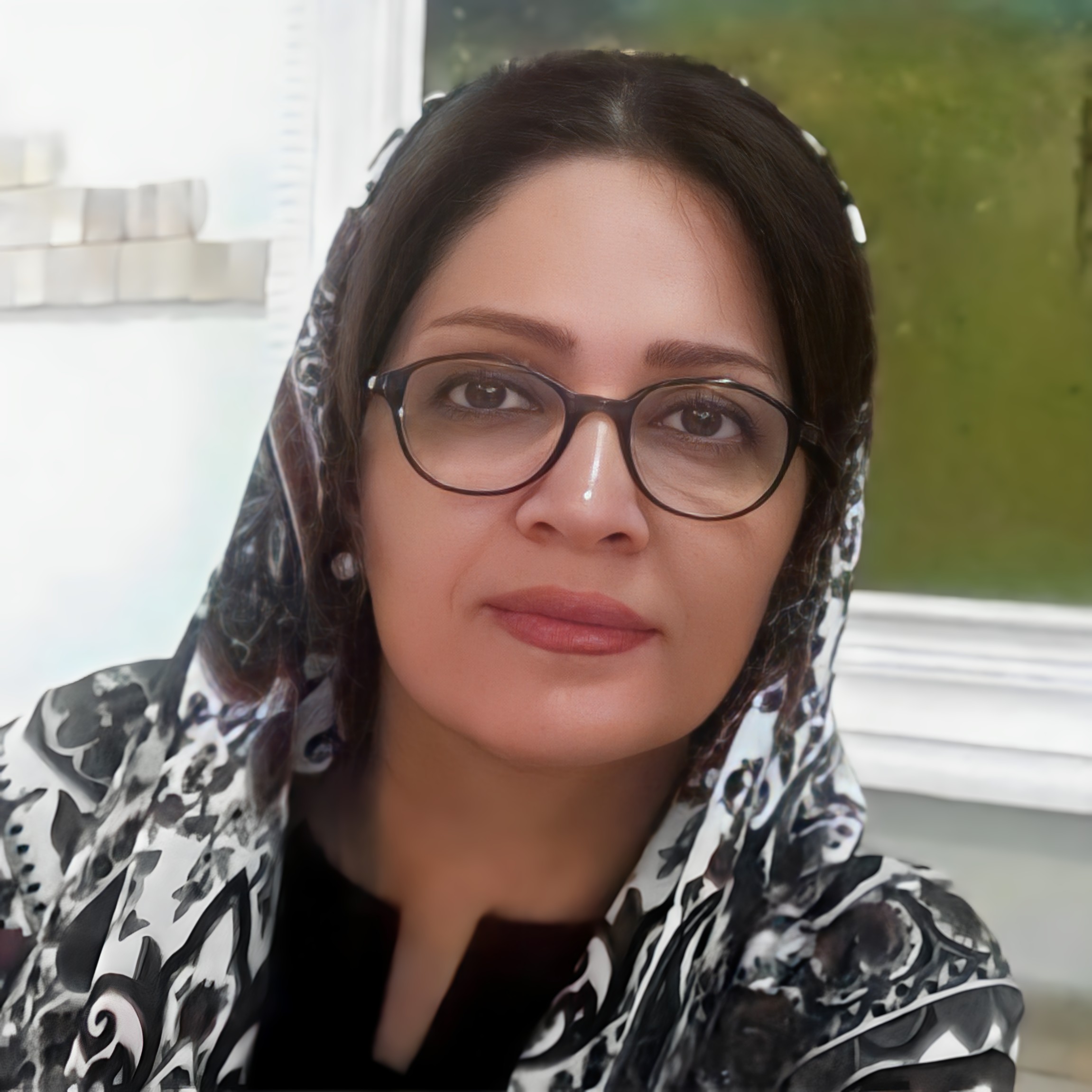
Parlons de votre aventure — Téhéran moderne
Conseillère francophone des routes persanes, basé·e à Chiraz
L’Iran surprend souvent par la chaleur de son accueil. Mon rôle est d’aider les voyageurs à le découvrir avec confiance, curiosité et ouverture.
— Afrooz